Bringing Dreams to Life: How Professional Event Planners Enhance Your Non-Profit Charity Functions
Event organizers function as vital allies for charitable organizations, turning visionary concepts into concrete achievements. Their expertise bridges gaps in operational planning, supplier management, and creative direction. By embracing calculated budgeting approaches and harnessing digital media, they enhance fundraising efforts and community engagement. Nevertheless, the path from idea to implementation is complex. Understanding how to select the right planner and implement effective strategies can greatly impact an event's success. What components will finally shape that accomplishment?
The Importance of Event Planners
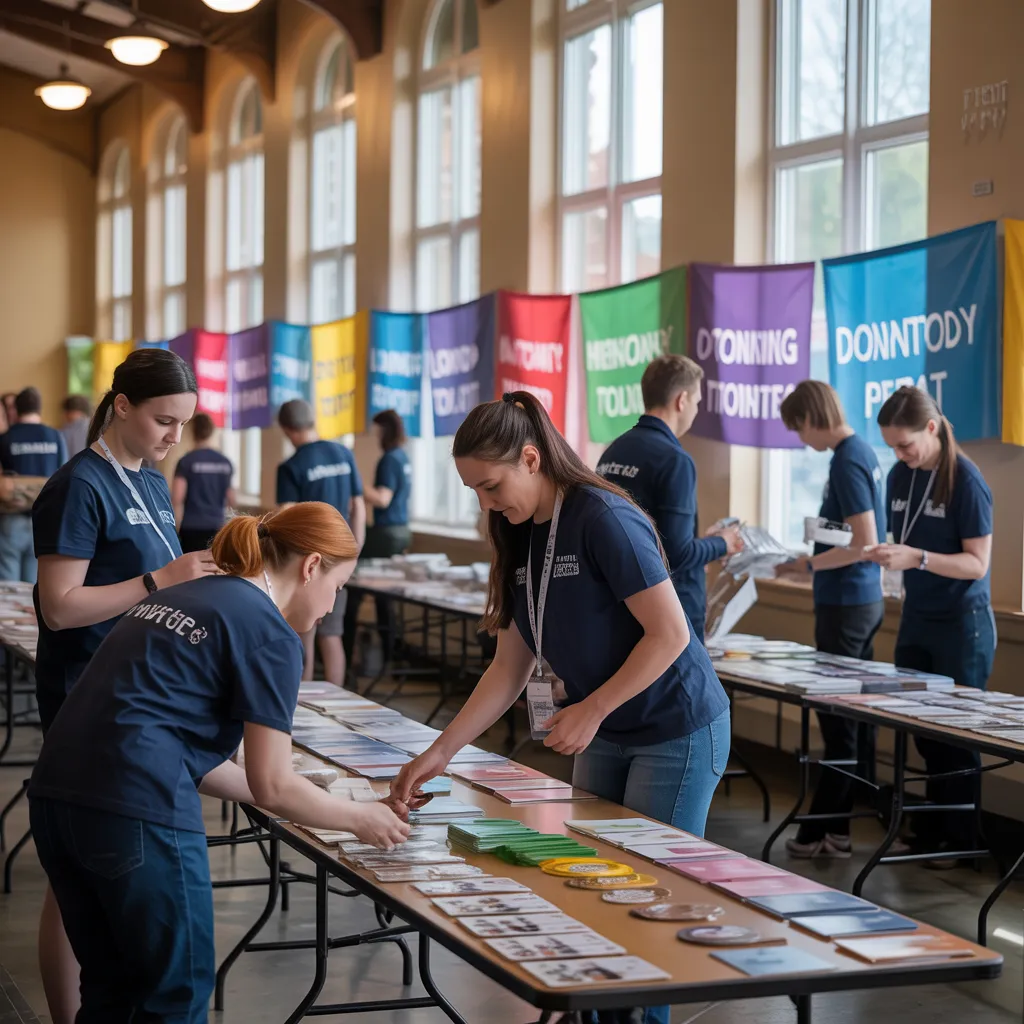
Event coordinators act as the foundation of non-profit charity events, coordinating every aspect to ensure success. Their main duty entails grasping the goals and vision of the organization, transforming these into a unified event plan. They manage logistics, encompassing venue selection, catering, and audiovisual elements, making certain that all components support the event's objectives.
Furthermore, event planners excel at budgeting, enabling organizations to make the most of their resources while reducing costs. They cultivate relationships with vendors and sponsors, securing contracts that support the charity's financial objectives.
In addition to operational responsibilities, they also concentrate on marketing the event, leveraging online and offline channels to increase turnout and involvement. By managing volunteers and personnel, they build an effective team structure, maintaining organized workflows throughout the event. Ultimately, the function of an event coordinator is essential in enhancing the overall impact and success of non-profit charity events.
Choosing Your Event Planner
How can a non-profit organization guarantee it selects the right event planner for its charity event? The selection process begins with identifying planners who have experience in the non-profit sector. Organizations are encouraged to examine portfolios and case studies so as to measure previous accomplishments and applicable expertise. Engaging in conversations with potential planners allows for insights into their understanding of non-profit goals and values.
Furthermore, charities should pursue recommendations from associates or sector networks to establish reliability. Evaluating potential hires about their event planning methodology, problem-solving strategies, and aspirations for the occasion can uncover compatibility. Financial factors are equally important; event planners must offer clear pricing frameworks that suit the charity's fiscal parameters. Lastly, assessing communication preferences is critical—successful partnerships rely on transparent and honest communication. By thoroughly evaluating these aspects, a charitable organization can successfully select an event coordinator who will powerfully improve its charity event.
Captivating Themes That Connect
What elements make a theme truly compelling for a charity event? An effective theme connects with attendees and supports the goals of the non-profit. It should evoke emotion, sparking interest and engagement among attendees. To illustrate, a "Masquerade Ball" can cultivate a sense of wonder, inspiring guests to engage through memorable shared experiences.
Additionally, themes should be visually striking, boosting the overall atmosphere and ensuring the event is memorable. Adding interactive elements, like photo booths or live art, can additionally engage attendees.
Moreover, a thoughtfully crafted theme can simplify the overall planning process, shaping decisions concerning decor, food, and entertainment. By making sure that all elements of the event align with the designated theme, planners can craft a seamless experience that supports the charity's core message. Above all, a strong theme not only engages attendees but also fosters a more profound connection to the purpose, motivating generosity and support.
Intelligent Budget Planning for Charity Events
A captivating theme defines the character of a charity event, but smart financial planning ensures its seamless execution. Effective budgeting requires a comprehensive evaluation of both fixed and additional info variable expenses, making certain that every dollar supports the event's objectives. Experienced event coordinators frequently suggest developing a well-defined budget structure that includes venue expenses, catering, marketing, and entertainment.
Carefully allocating funds is fundamental; coordinators stress the importance of recognizing core elements that reflect the event's goals. Furthermore, seeking in-kind donations and sponsorships can greatly reduce costs, enabling greater financial resources to be channeled into the initiative.
Consistent budget evaluations during the planning phase can help prevent unexpected financial challenges. By maintaining transparency with stakeholders regarding expenses, stronger trust and teamwork can develop. In the end, thoughtful financial planning not only strengthens the event's effectiveness but also solidifies the organization's reputation, guaranteeing that attendees recognize the value of their support.
Streamlined Logistics Management
Effective logistics management is vital for the success of non-profit fundraising events. This involves effective venue management, optimized vendor relationships, and timely schedule management to guarantee that all details come together smoothly. By emphasizing these components, charity event organizers can create a smooth experience that enhances the overall impact of the event.
Efficient Venue Coordination
While finding the ideal venue is crucial for a thriving charity event, skillfully handling logistics can significantly impact the overall outcome. Successful venue coordination requires careful planning, from spatial arrangement to ease of access. Event planners must guarantee that the space accommodates the expected number of attendees while facilitating smooth flow throughout the event. Adequate signage, organized seating, and dedicated spaces for check-in and activities are essential for improving attendee participation. Moreover, consistent communication with venue team members is key to resolving any unanticipated problems. By coordinating these details efficiently, event organizers can establish a welcoming environment that enables attendees to concentrate on the event's purpose, ultimately resulting in increased fundraising achievements and community participation.
Efficient Vendor Partnerships
Furthermore, vendor contracts negotiated in advance can result in significant cost reductions, which is vital for non-profit financial planning. A thoughtfully structured vendor network also fosters creativity, as planners can tap into the unique resources and ideas of each partner. In the end, efficient vendor collaborations build a seamless and professional setting, greatly contributing to the event's success and the organization's overall objectives.
Effective Schedule Management
When coordinating a nonprofit fundraiser, effective timeline management is vital to secure smooth operations. Organizers must develop a comprehensive schedule that covers all elements of the event, from vendor arrivals to guest check-ins. This detailed organization minimizes the risk of delays and confirms that all staff members are clear on their roles. Consistent check-ins and notifications maintain awareness among all members, allowing for quick adjustments if unforeseen issues arise. Additionally, a properly designed schedule includes setup and dismantling timeframes, confirming the venue is adequately set up for participants. Through emphasizing effective timeline coordination, planning teams can enhance the overall experience, optimizing involvement and contributions to the nonprofit's goals while encouraging an efficient implementation of the occasion.
Creative Engagement Strategies for Charity Events
Creative involvement strategies can significantly improve the attractiveness of philanthropic events. Including engaging fundraising initiatives, immersive themed occasions, and effective social media strategies can nurture stronger relationships with attendees. These strategies don't just boost participation but also amplify the overall impact of the event.
Engaging Fundraising Activities
Engaging contributors in fundraising events requires imaginative thinking, and dynamic fundraising activities can convert standard gatherings into vibrant experiences. These efforts not only foster communal participation but also inspire contributors to engage meaningfully. Possibilities such as live auctions, where guests compete for unique items, or engaging activities that include contribution rewards can considerably improve engagement. Furthermore, incorporating technology, like smartphone applications for real-time fundraising updates, allows for instant involvement. Initiatives, such as charity walks or team challenges, can also inspire participants while generating donations. By embedding these interactive elements, organizers cultivate an engaging environment that not only raises money but builds bonds among attendees, ultimately enhancing the effect of the fundraising event.
Specialty Themed Event Experiences
Developing themed event concepts can greatly elevate the atmosphere of fundraising occasions. When adopting a consistent theme, event coordinators can develop engaging atmospheres that resonate with attendees. Concepts including masked events, nostalgic fairs, or multicultural festivals can boost participation and build a spirit of belonging. Creative embellishments, outfits, and events aligned with the theme can stimulate conversation and inspire involvement. As an illustration, a \"Jazz Age\" theme might incorporate classic jazz, retro styling, and prohibition-era drinks, delivering an unforgettable occasion. Moreover, themed events can guide fundraising strategies, with fundraising items and giving initiatives aligned with the concept. Ultimately, a well-executed theme not only captivates but also enhances the meaningful tie to the purpose, thereby increasing the occasion's overall influence.

Social Media Participation Strategies
Leveraging the strength of social media can greatly boost the impact and reach of charity events. Event planners can take advantage of platforms like Instagram, Facebook, and Twitter to create buzz before, during, and after events. Captivating content, such as live broadcast segments, exclusive behind-the-scenes footage, and live updates, maintains audience engagement. Including interactive elements, like hashtag campaigns or polls, inspires guests to share their moments, strengthening community involvement. Moreover, creating shareable graphics and promotional videos can boost online presence. After the event, planners should encourage feedback and stories from participants, facilitating authentic engagement and reinforcing future partnerships. By leveraging these strategies, event coordinators can convert social media into an invaluable resource for elevating charity events and broadening their impact.
How to Determine Event Success
What methods can event planners use to accurately assess the success of a non-profit charity event? Although measures of success can differ, several critical indicators deliver valuable perspectives. To begin with, financial results are essential; organizers should assess the amount raised in comparison to the targets established before the event. Furthermore, guest responses are of great importance; post-event surveys can gauge satisfaction and engagement levels. Moreover, social media analytics, such as shares, likes, and comments, can illustrate the event's overall reach and its impact on the community.
In addition, evaluating the count of new supporters or volunteers secured during the event can signal the potential for sustained engagement. A further significant element is press coverage, as greater visibility can boost the standing of the organization. In conclusion, event planners should evaluate operational execution, including actual attendance rates versus registration numbers. When these metrics are combined together, planning teams can gain a thorough understanding of the success achieved by their event and pinpoint areas needing future improvement.
Popular Questions We Receive
How Do I Find Volunteers for My Charity Event?
To find volunteers for a charity event, one can utilize volunteer organizations, social media, and local community boards. Additionally, engaging with schools and universities often yields passionate individuals willing to dedicate their time and talents.
What Permits Do You Need for Hosting Charity Events?
To host charity events, organizers typically need permits such as outdoor gathering permits, alcohol licenses, and special event authorizations. Rules and requirements change based on your area, so reviewing local guidelines is crucial for proper compliance and effective planning.
How Can I Promote My Charity Event Effectively?
To promote a charity event effectively, one must make use of popular social networking sites, connect with local press outlets, collaborate with influencers, create eye-catching visuals, and foster organic word-of-mouth promotion while offering incentives for attendance and participation.
What Are the Most Common Mistakes to Avoid at Charity Events?
Typical mistakes during charity events encompass inadequate planning, poor venue selection, insufficient marketing, neglecting donor recognition, and failing to engage volunteers. Addressing these issues can greatly enhance the event's effectiveness and overall success.
How Should I Follow up With Donors After the Event?
Reaching out to donors following an event includes showing thankfulness through customized emails or handcrafted messages, highlighting memorable aspects of the event, communicating the outcomes resulting from their generous support, and encouraging continued involvement in upcoming projects.